Climate: This region enjoys sunny weather on the Atlantic Coast, averaging 2,000 to 2,250 sunny hours per year.
Nearby Tourist Attractions: Locally, the famous Marais Poitevin is located just 10 km to the south. Poitiers is 65 km northeast, and the historical coastal city of La Rochelle is 82 km west. Other major attractions include Puy du Fou, Zoorama, and the European Forest of Chizé.
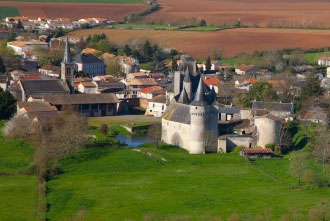
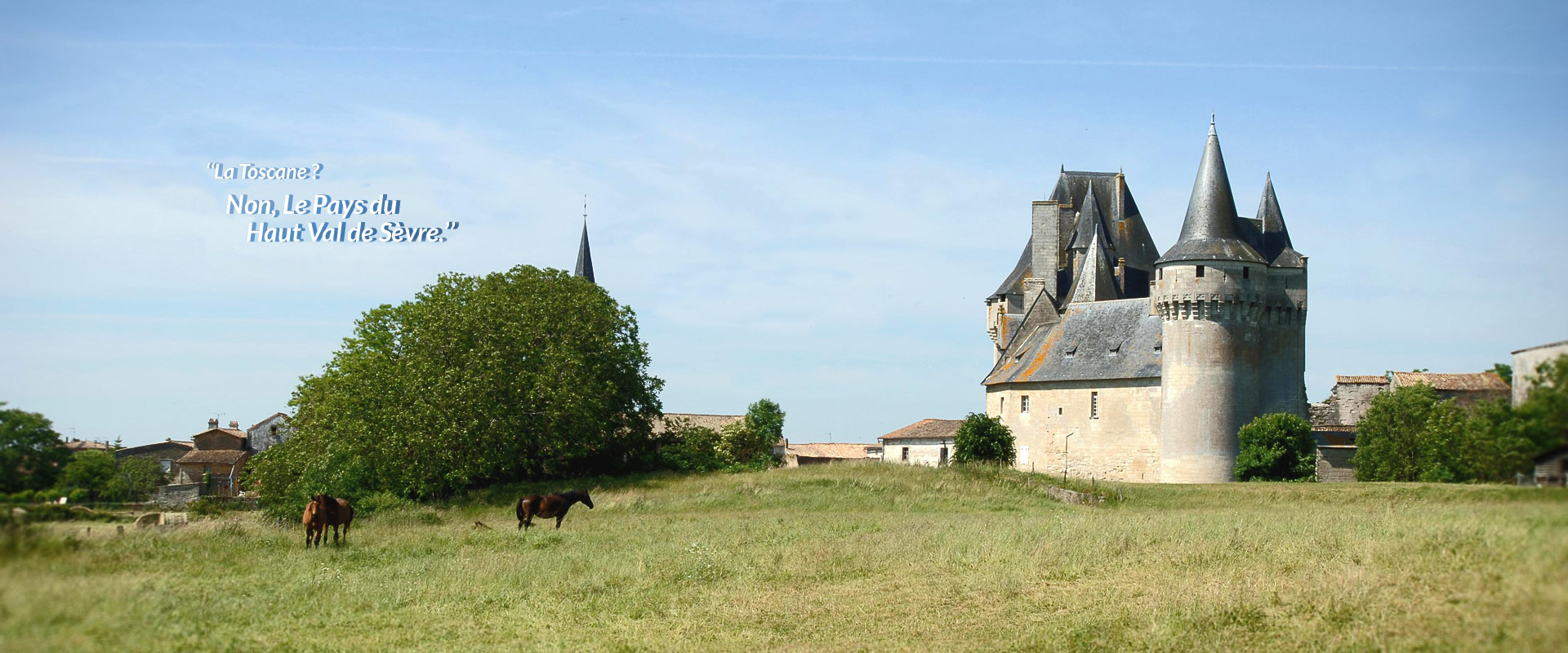
Local Attractions: Cherveux is nestled in the picturesque countryside known as Haut Val de Sèvres.
The beautiful small lake of Cherveux-St-Christophe is located just 2 km away, offering tennis, swimming, and camping facilities. An equestrian center and the Golf du Petit Chêne are also located nearby.
Historical Sites: The region is surrounded by Romanesque art treasures. Nearby historic landmarks include Melle, Poitiers, Celles-sur-Belle, the Neolithic Tumulus of Bougon, and the Gallo-Roman site of Sanxay.
Cuisine & Gastronomy: Regional specialties include Pineau des Charentes, Haut-Poitou wines, Marennes-Oléron oysters, Farci Poitevin, goat cheeses, and traditional medieval culinary specialties.
Cultural Events: Renowned annual events include the International Comics Festival in Angoulême, the Folklore Festival of Confolens, and Les Francofolies in La Rochelle.